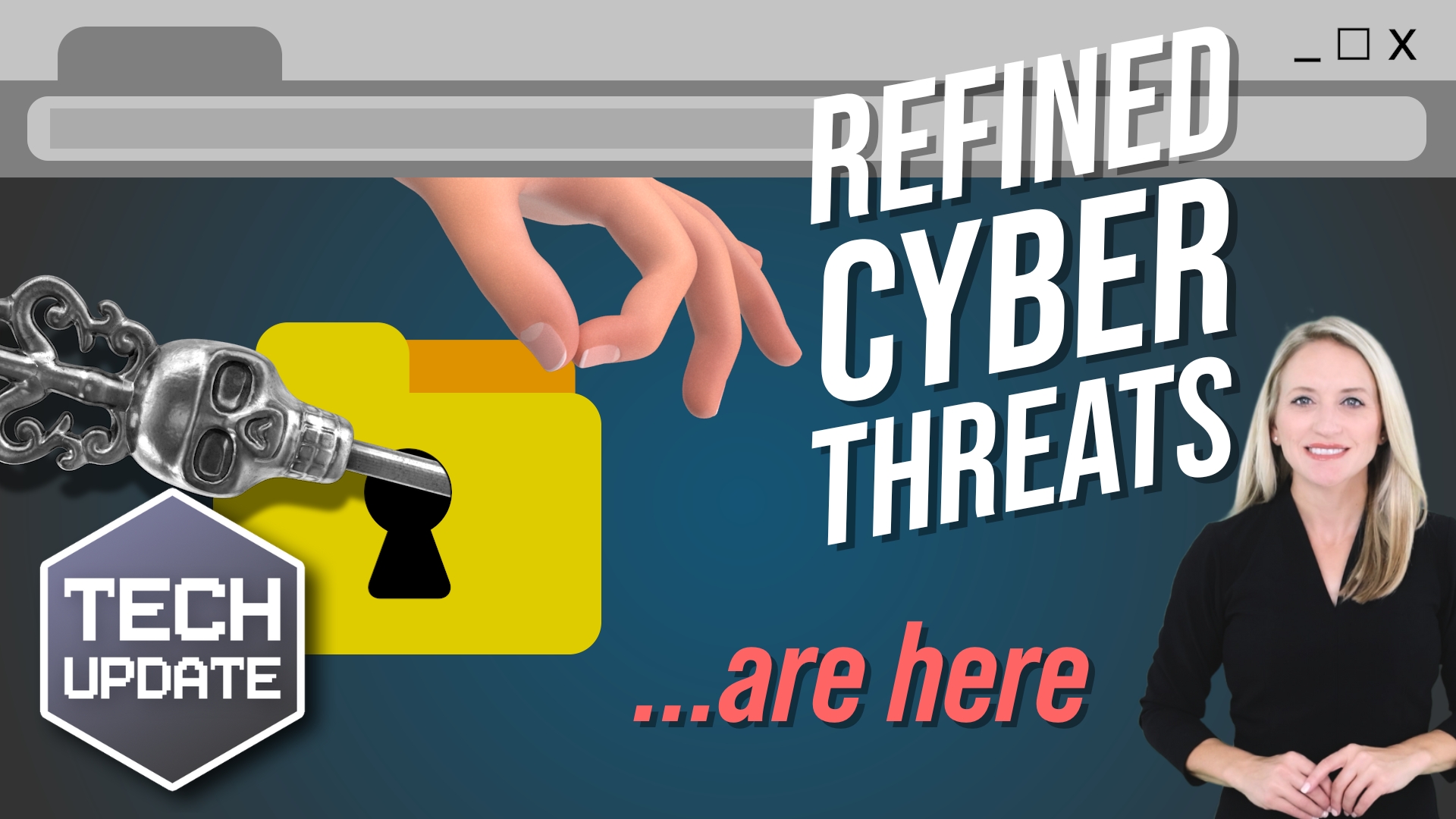
Scams aren’t what they used to be. They’re not always clumsy, and they don’t always come with obvious warning signs. Today’s digital fraud is faster, more convincing, and often supported by AI, which makes it harder for even careful people to spot.
One of the biggest tactics scammers use is pressure. They try to rush decisions with urgent warnings, countdown timers, or messages claiming an account will be closed or a delivery will fail unless you act immediately. The moment you feel stressed or hurried is usually the moment to pause, because that emotional push is designed to bypass good judgement.
Verification matters more than ever. If something seems off, it’s safer to go directly to the company’s official website or use a trusted contact method rather than clicking links or calling numbers inside unexpected messages. It also helps to remember what scammers are typically after, which is money or data, and legitimate organizations won’t ask for passwords, full banking details, or remote access through surprise emails, texts, or calls.
Awareness is important, but strong protections make scams much less likely to succeed. Multi-factor authentication, secure password practices, and keeping devices updated all reduce the chances that one mistake turns into a serious incident. Digital fraud is evolving, but calm, consistent habits and the right safeguards can keep your business protected.
Next Steps
Are you looking for a new IT service provider? Check out our free guide that explains how to choose your next IT service provider for some quick tips to get you started! Schedule a free 15-minute discovery call with someone from our team to see if we’re a good mutual fit!